The UNESCO World Heritage Site and its significance
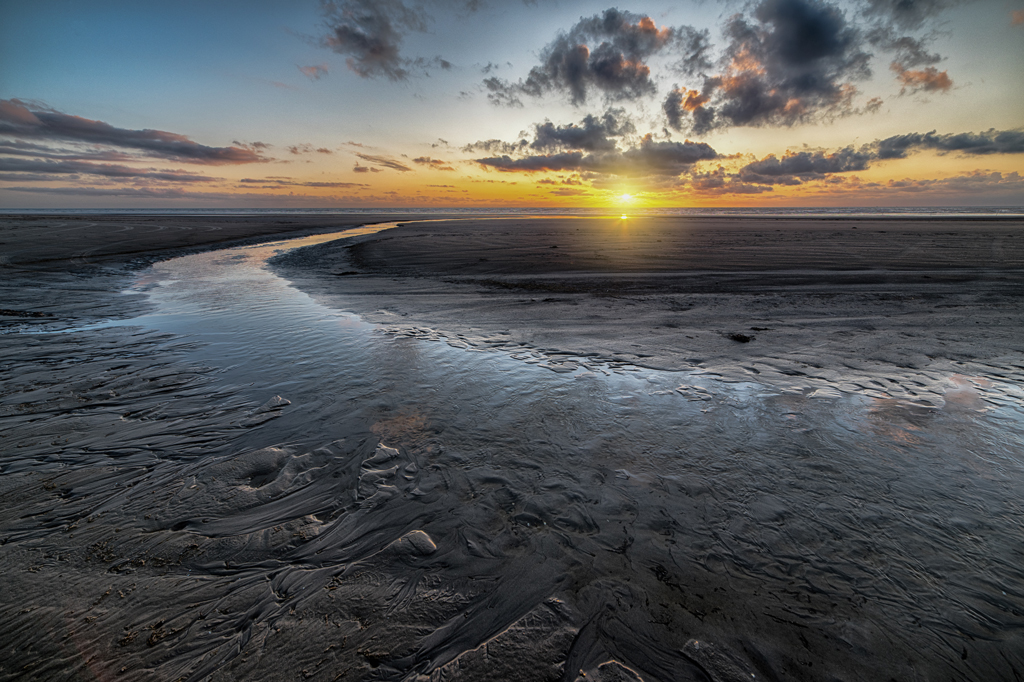
The UNESCO World Heritage Site is a unique nature reserve of international importance. It stretches along the North Sea coast from the Netherlands via Germany to Denmark and covers an area of around 11,500 square kilometers. The area is characterized by its unique landscape and its diverse flora and fauna. The Wadden Sea is one of the largest contiguous tidal flats in the world and is home to a large number of rare and endangered animal species. Here, for example, we find seals, porpoises and countless bird species that have made this area their home. A special feature is the tidal movement. The changing tides constantly create new habitats for plants and animals. It is an important resting and wintering area for migratory birds and offers them food and shelter on their long journey.
Coastal protection
The Wadden Sea is also a fascinating example of the natural dynamics and ecological richness that can be found in this region.
The area also plays a crucial role in coastal protection. The natural structures help to intercept storm surges and protect the coasts from erosion. This makes it not only a valuable natural heritage site, but also a buffer against the effects of climate change.
UNESCO declared it a World Heritage Site in 2009 to recognize and protect its exceptional ecological importance. This status brings with it a responsibility to preserve the nature reserve and its unique natural environment for future generations.
Conservation is a joint task for residents, tourists and governments. It is important to respect natural processes and promote sustainable tourism. This is the only way to ensure that this unique natural landscape is preserved for the future.
The UNESCO World Heritage Site is a treasure that must be preserved. We should be proud that we have such natural beauty so close to us and do everything we can to protect it. Let's take the time to explore it and better understand its importance for our ecosystem.
The unique flora and fauna
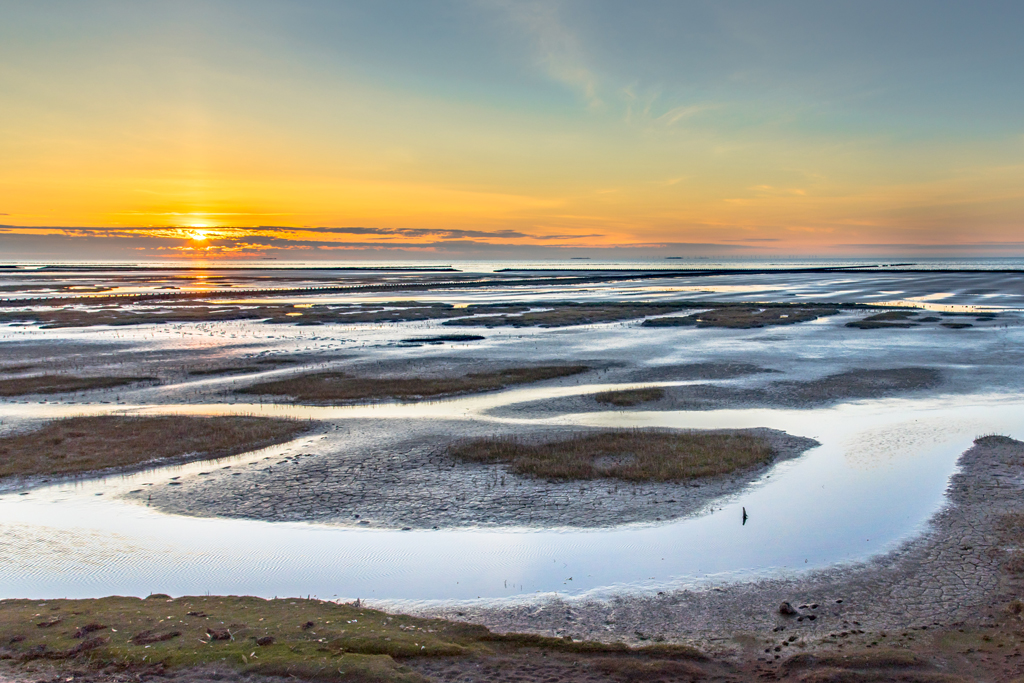
The Wadden Sea is a unique habitat for a wide variety of animals and plants and has therefore been declared a UNESCO World Heritage Site. The diversity of life attracts thousands of visitors every year who come to admire the beauty and variety of this unique ecosystem.
This is a unique habitat for a variety of animals and plants and has therefore been declared a UNESCO World Heritage Site. The diversity of life attracts thousands of visitors every year who come to admire the beauty and variety of this unique ecosystem.
It stretches along the coasts of Germany, the Netherlands and Denmark and covers a total area of around 11,700 square kilometers. It is one of the largest contiguous mudflats in the world and is under special protection in order to preserve its unique nature.
Wildlife
The wildlife is extremely diverse and impressive. Over 10,000 different animal species live here, including birds, fish, crabs, mussels and other invertebrates. The migratory birds that use this area every year during their migration are particularly well known. Here they find plenty of food and resting places before continuing their journey. The resting and wintering place for migratory birds is of international importance and is home to millions of birds every year.
But it's not just the birds that are impressive. Other fascinating animals such as seals also live here. The area is important for harbor seals and grey seals. These marine mammals use the calm sandbanks and mudflats as perfect resting places and for rearing their young.
The Wadden Sea in particular is known for its impressive wildlife, which presents itself here in a variety of forms.
Plant world
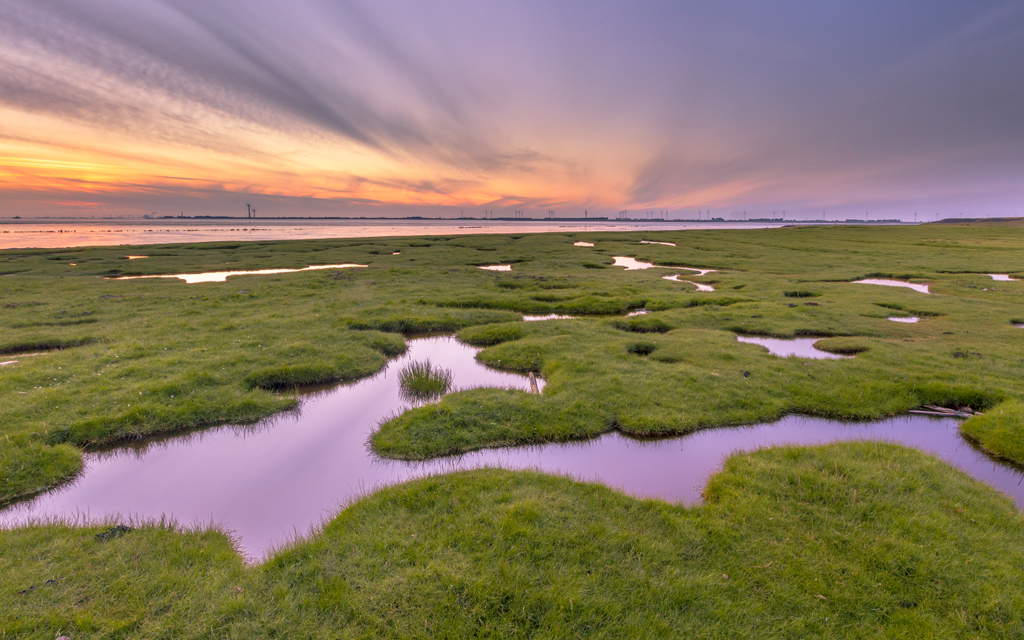
The flora is also unique. The salt-tolerant plants, also known as salt marshes, are perfectly adapted to the extreme conditions of the mudflats. They not only serve as protection against erosion, but also provide food and habitat for many animal species. Without these plants, the ecosystem would not function.
This is not only a paradise for animals and plants, but also a popular excursion destination for people. Visitors have the opportunity to go on guided mudflat walks and experience the unique nature up close. On these walks, visitors can experience the diversity of flora and fauna and learn how important it is to protect this habitat.
The UNESCO World Heritage Site is a unique place that fascinates with both its flora and fauna. It is a place where man and nature exist in harmony with each other. Visitors should respect this unique environment and realize how important it is to preserve this ecosystem.
The salt-tolerant plants in the Wadden Sea are perfectly adapted to the extreme conditions of the mudflats. They not only serve as protection against erosion, but also provide food and habitat for many animal species.
The tides and their effects
The tides in the Wadden Sea are a decisive factor that shapes and influences life in this unique ecosystem.
This is considered one of the most impressive natural spectacles that Germany has to offer. So it's no wonder that it has been a UNESCO World Heritage Site since 2009. But what makes this region so special? One decisive factor is the tides and their effects.
It stretches along the North Sea coast from the Netherlands to Denmark. It is a unique ecosystem characterized by high and low tides. Twice a day, the seawater rises and falls due to the gravitational pull of the sun and moon. This creates the famous tides that make this region a fascinating place.
During high tide, the seawater penetrates the mudflats and covers large areas of the seabed. This scenario enables the life of numerous animal and plant species that are specially adapted to these conditions. Mussels, crabs, lugworms and many other inhabitants of the mudflats use this time to forage for food and carry out their activities.
The Wadden Sea is known for its impressive natural spectacles, which are linked to the tides and make this region so special.
High tide and low tide
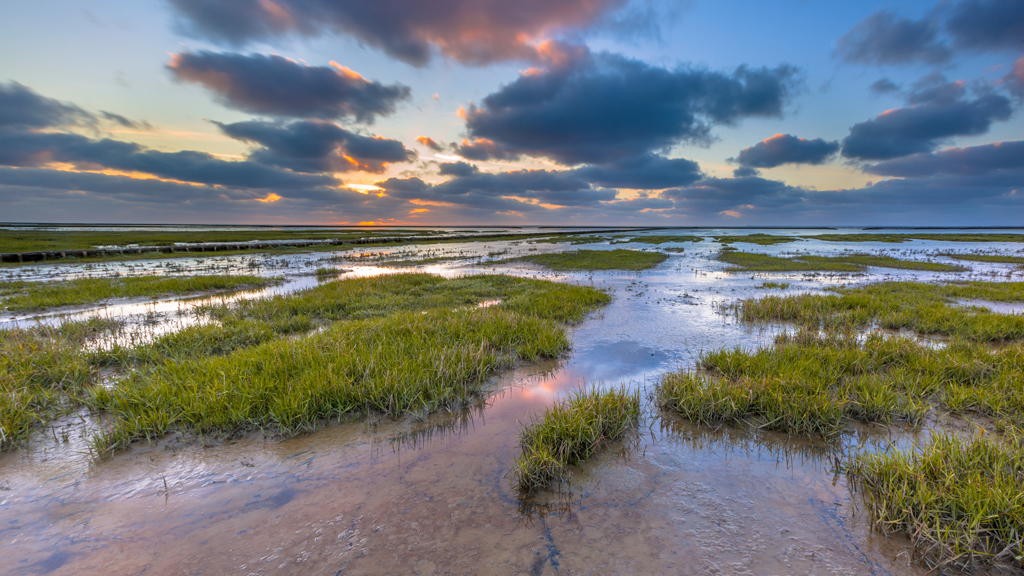
But as soon as the tide ebbs and the low tide sets in, the water recedes, revealing the dry seabed. The mudflats become a vast expanse that is explored by numerous people and animals. Mudflat walks are a popular activity in the region, allowing visitors to experience the unique flora and fauna up close.
However, the tides not only have an impact on life in the mudflats, but also on the coastal landscape. The constant movement of the water transports and redistributes sediments and sand. This slowly creates new areas of sand and mud, while other areas can erode. These processes constantly reshape the coastline, making it a dynamic and evolving area.
Visitors to the Wadden Sea can experience and explore the fascinating changes during the tides up close.
Influence on the water balance
The tides also have an influence on the water balance. At high tide, the salty North Sea water flows into the area, while at low tide the fresh water from the rivers reduces the salt content again. These constant changes create a unique mixture of fresh and salt water, which provides optimal living conditions for many animal and plant species.
The threats and protective measures
Pollution from human activities
The conservation of the Wadden Sea is a joint task for everyone in order to preserve its natural beauty and diversity.
Protective measures
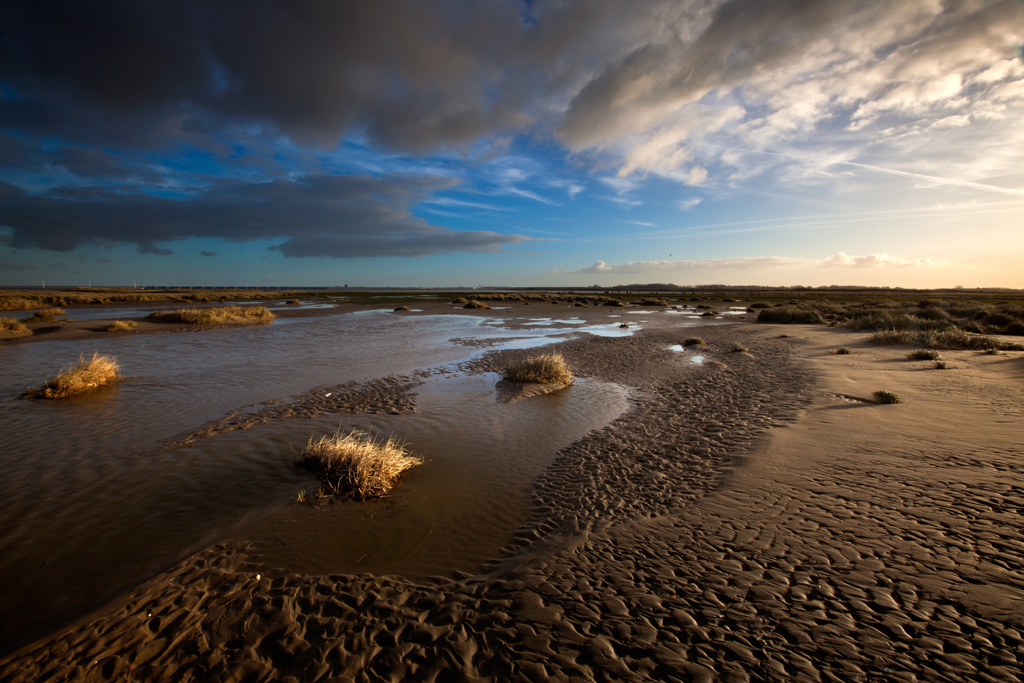
Conservation measures in the Wadden Sea are crucial to preserving this unique ecosystem and protecting the diversity of species.
Conclusion: The beauty and uniqueness of the UNESCO World Heritage Site
The Wadden Sea is a place full of beauty and uniqueness that must be protected.
It is a place full of beauty and uniqueness. It stretches along the coast of Germany, the Netherlands and Denmark and is one of the largest uninterrupted mudflats in the world.
It is characterized by its diverse flora and fauna. There are numerous species of birds, fish and marine animals that thrive in this unique habitat. The large bird colonies that settle here during the migratory bird season are particularly well known. These colonies offer a breathtaking sight and are a paradise for bird lovers.
Dynamic nature
The dynamic nature of the Wadden Sea, characterized by ebb and flow, creates a constantly changing landscape.
Another impressive feature is its dynamic nature. The changing tides create a unique landscape that is constantly in flux. At low tide, the mudflats dry out, revealing countless small islands. At high tide, however, these islands disappear again and the sea floods the mudflats. This phenomenon is not only fascinating, but also of great importance for the flora and fauna.
It is also a place of rest and relaxation. The vastness of the sea, the fresh air and the untouched nature invite you to take long walks and extensive bike rides. Here you can leave the hustle and bustle of everyday life behind and be inspired by the peace and beauty of nature.
It is not without reason that UNESCO has declared this place a World Heritage Site. It is a place of exceptional beauty and uniqueness that deserves to be protected and preserved. Visitors should therefore act responsibly and respect the nature reserves.
Experience the World Heritage Site
Discover the fascinating beauty of the Wadden Sea, a place of peace and inspiration.
It is a place that must be experienced. It is an oasis of peace and beauty that reminds us of the importance of protecting our natural environment. So pack your bags and discover its fascinating beauty!